
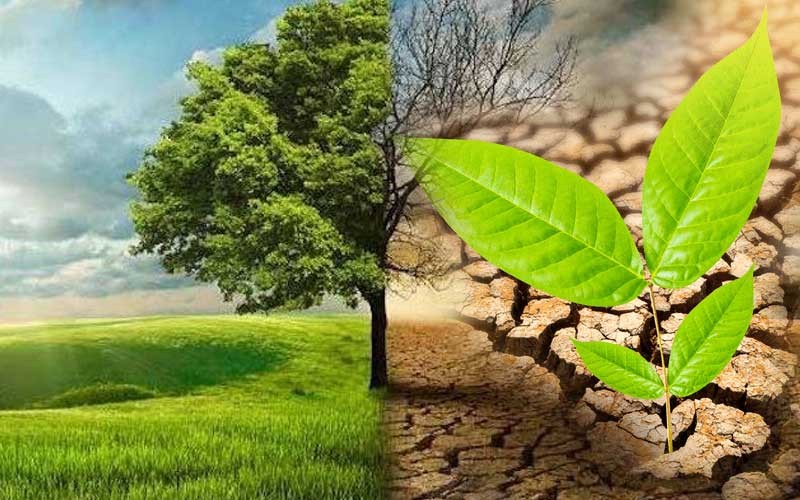
Save Life Environmental involved in climate change campaign because of its threat to humanity on earth which are devastating. Ghana and Africa have not been spared of the consequences of Climate change. Save Life Environmental serves on a number of boards that has interests in the environment.
Save Life Environmental uses these opportunities to lobby and advocate for proper legislations on climate change. The impacts of climate change are wide-ranging and profound, affecting ecosystems, communities, economies, and public health in various ways. Key aspects of climate change include:
Greenhouse Gas Emissions: Human activities, such as burning fossil fuels, deforestation, industrial processes, and agriculture, release greenhouse gases like carbon dioxide (CO22), methane (CH44), and nitrous oxide (N22O) into the atmosphere. These gases trap heat and lead to the warming of the Earth's surface, causing global temperatures to rise.
Global Warming: The increase in greenhouse gas concentrations leads to global warming, resulting in higher average temperatures across the planet. This warming trend can disrupt weather patterns, alter precipitation levels, and contribute to the melting of ice caps and glaciers, leading to sea level rise.
Extreme Weather Events: Climate change is associated with an increase in the frequency and intensity of extreme weather events, such as heatwaves, droughts, floods, hurricanes, and wildfires. These events can have devastating impacts on ecosystems, infrastructure, agriculture, and human populations, leading to loss of life and property.
Ocean Acidification: The absorption of excess CO22 by the oceans leads to ocean acidification, which poses a threat to marine ecosystems and species that rely on calcium carbonate structures, such as coral reefs and shellfish. Acidification can disrupt food chains, weaken coral reefs, and harm fisheries and coastal communities.
Biodiversity Loss: Climate change is a major driver of biodiversity loss, as shifting temperatures and altered weather patterns can disrupt ecosystems and threaten the survival of plant and animal species. Habitat loss, changes in migration patterns, and increased competition for resources can further exacerbate the loss of biodiversity.
Mitigation and Adaptation: Efforts to address climate change include mitigation strategies to reduce greenhouse gas emissions and limit global warming, as well as adaptation measures to cope with the impacts of climate change that are already occurring. Mitigation actions include transitioning to renewable energy, improving energy efficiency, and implementing sustainable land use practices, while adaptation measures involve building resilient infrastructure, enhancing water management, and developing early warning systems for extreme weather events.
Overall, climate change represents one of the most pressing challenges of our time, requiring urgent and coordinated global action to mitigate its impacts, protect vulnerable communities and ecosystems, and build a more sustainable and resilient future for all.